
How Neuroscience Is Changing the Way We Understand Addiction

Key Points:
• Brain changes drive addiction behaviors, not moral weakness
• Modern treatments target specific neural pathways for recovery
• Scientific evidence proves addiction is a treatable medical condition
The Old View of Addiction Was Wrong
For decades, society viewed addiction through a moral lens. People struggling with substance use were labeled as weak-willed or lacking character. This perspective created barriers to treatment and healing.
The shame attached to addiction prevented countless individuals from seeking help. Families blamed themselves, and treatment often focused on willpower rather than medical intervention. This approach failed because it ignored what was actually happening in the brain.
Your Brain on Addiction: What Science Reveals
Modern neuroscience shows us that addiction fundamentally changes your brain's structure and function. The reward pathways in your prefrontal cortex and limbic system become hijacked by substances, creating powerful cravings and compulsive behaviors.
These changes aren't temporary or superficial. Addiction alters how your brain processes pleasure, motivation, and decision-making. What feels like a choice becomes a neurological imperative, making recovery without proper treatment extremely difficult.
How Neuroscience Identifies Addiction in the Brain

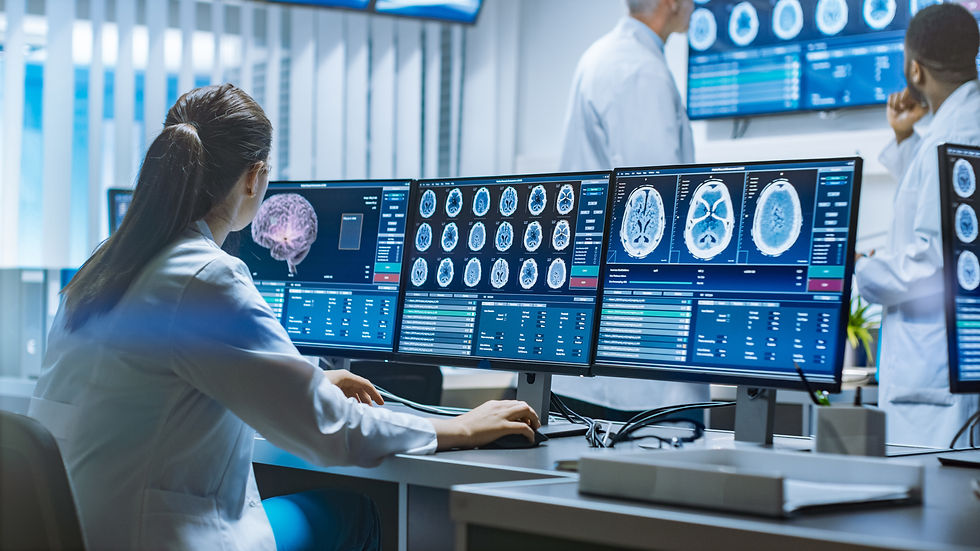
Advanced brain imaging technology now allows researchers to see addiction in real-time. MRI and PET scans reveal measurable differences in brain structure between people with addiction and those without.
Scientists can observe how dopamine receptors change with substance use and how neurotransmitter levels fluctuate during withdrawal. These concrete, visual markers help remove the guesswork from diagnosis and treatment planning.
Why Understanding Brain Science Matters for Recovery
When you understand addiction as a medical condition affecting brain chemistry, treatment becomes more targeted and effective. Instead of focusing solely on behavior modification, clinicians can address the underlying neurological changes driving addictive behaviors.
This scientific approach also reduces stigma for patients and families. Understanding that addiction involves measurable brain changes helps people move past shame and guilt toward evidence-based healing.
Neuroscience-Based Treatments That Work
Medication-assisted treatment represents one of the most significant advances in addiction care. Drugs like buprenorphine, methadone, and naltrexone work by normalizing brain chemistry and reducing cravings at the neurological level.
Cognitive behavioral therapies informed by neuroscience help retrain the neural pathways damaged by addiction. These approaches teach your brain new ways to process stress, triggers, and rewards, literally rewiring damaged circuits over time.
What This Means for Families and Loved Ones

Family members often carry tremendous guilt about their loved one's addiction. Neuroscience helps families understand that addiction isn't about love, support, or good parenting, it's about brain chemistry that requires medical intervention.
This understanding transforms how families approach recovery conversations. Instead of focusing on willpower or moral failure, families can support evidence-based treatment and celebrate the medical progress their loved one is making.
The Future of Addiction Treatment
Personalized medicine is revolutionizing addiction treatment. Genetic testing can now identify which individuals are more susceptible to addiction and which treatments will be most effective based on their unique brain chemistry profiles.
Researchers are developing new therapies that target specific neurotransmitter systems and brain regions. These precision treatments promise even better outcomes for people struggling with addiction.
Moving Forward with Compassion and Science
The integration of neuroscience into addiction treatment represents hope for millions of people and families. When treatment addresses the actual brain changes caused by addiction, recovery becomes not just possible, but probable.
At The Counseling Center, we've witnessed this transformation firsthand over our 40+ years of service. Understanding addiction as a medical condition requiring comprehensive, evidence-based treatment has revolutionized how we help people heal and rebuild their lives.


Trump threatens Bangla choti golpo new tariffs on European allies over Greenland until deal reached, as thousands protest...........
Trump threatens kambikuttan new tariffs on European allies over Greenland until deal reached, as thousands protest
Trump threatens Kannada Stories new tariffs on European allies over Greenland until deal reached, as thousands protest
Trump threatens Kama Kathalu new tariffs on European allies over Greenland until deal reached, as thousands protest
Trump threatens Kuber 79 new tariffs on European allies over Greenland until deal reached, as thousands protest